Pão de queijo is made from cassava starch, not wheat flour, and that single substitution is why it behaves nothing like a scone from a British recipe. The starch gelatinises rather than forming gluten, so the inside stays stretchy and slightly chewy while the outside goes thin and crisp. Ours are on the menu as the Brazilian cheese scone, from $9, and they are the thing to order first if you have brought someone here for the first time.
What pão de queijo actually is
The name translates as cheese bread, and in Brazil it is everyday food: sold hot by the bag at bakeries, eaten standing up with a small black coffee, made at home in batches that never last. Traditionally the dough is cassava starch, cheese, egg and milk, worked into a loose batter and baked until the balls puff and hollow out. There is no rise from yeast and no structure from gluten. The lift comes from steam, which is also why they are best within minutes of leaving the oven and merely fine an hour later.
Because they are built on cassava, they are made with no added gluten. Our kitchen is small and without exclusive production areas for all of our different recipes, so traces may occur, and nothing here is guaranteed safe for severe coeliac disease. Guests who avoid gluten will find a genuine range rather than one token item, including all three quiches and most of the no added gluten cakes and desserts.
How we serve them
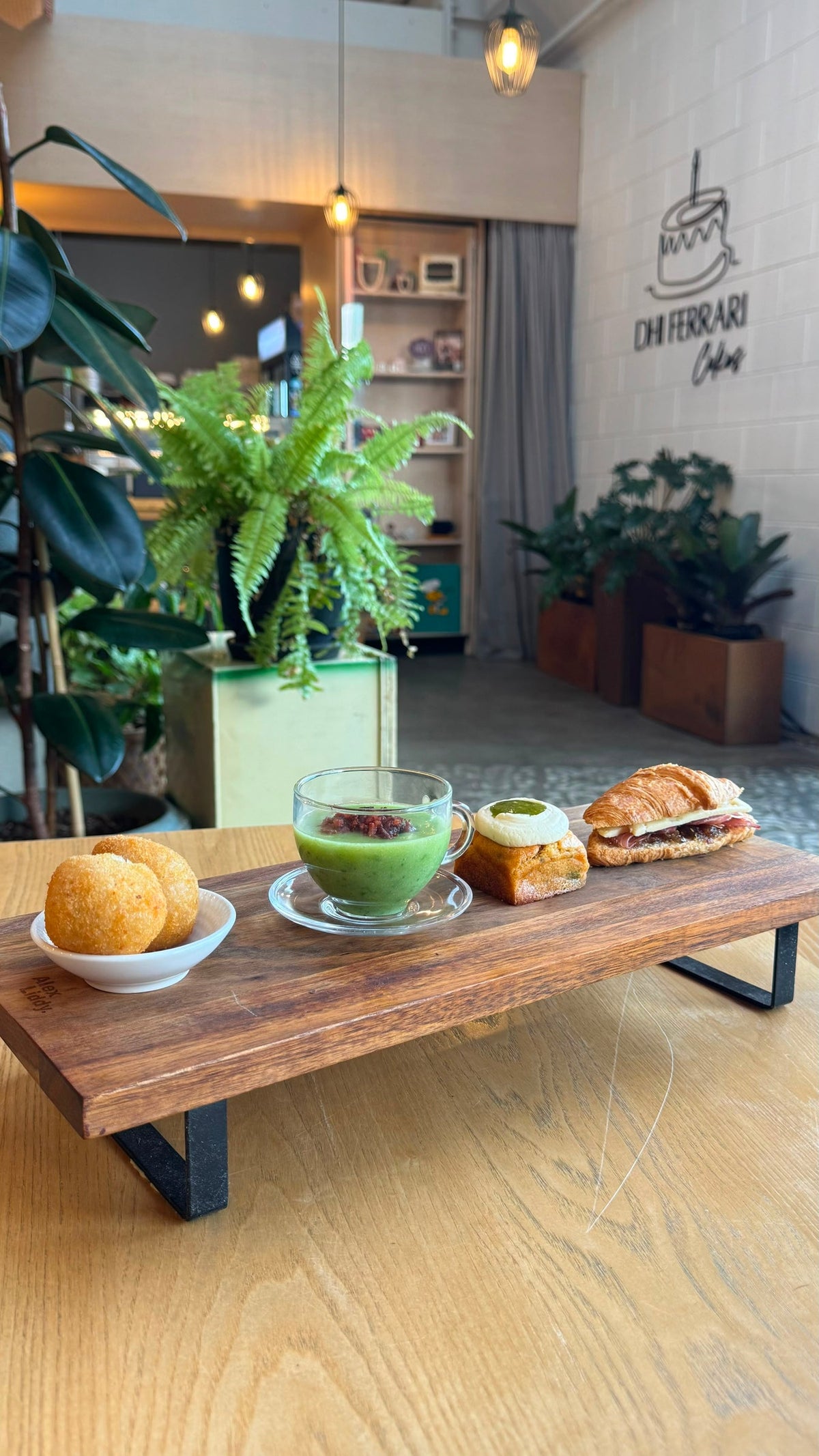
Warm, with hand-whipped butter and guava jam. The butter is the obvious move. The guava is the one that surprises people: it is floral and quite sweet, and against a salty, chewy cheese bread it does the same job a good chutney does against cheddar.
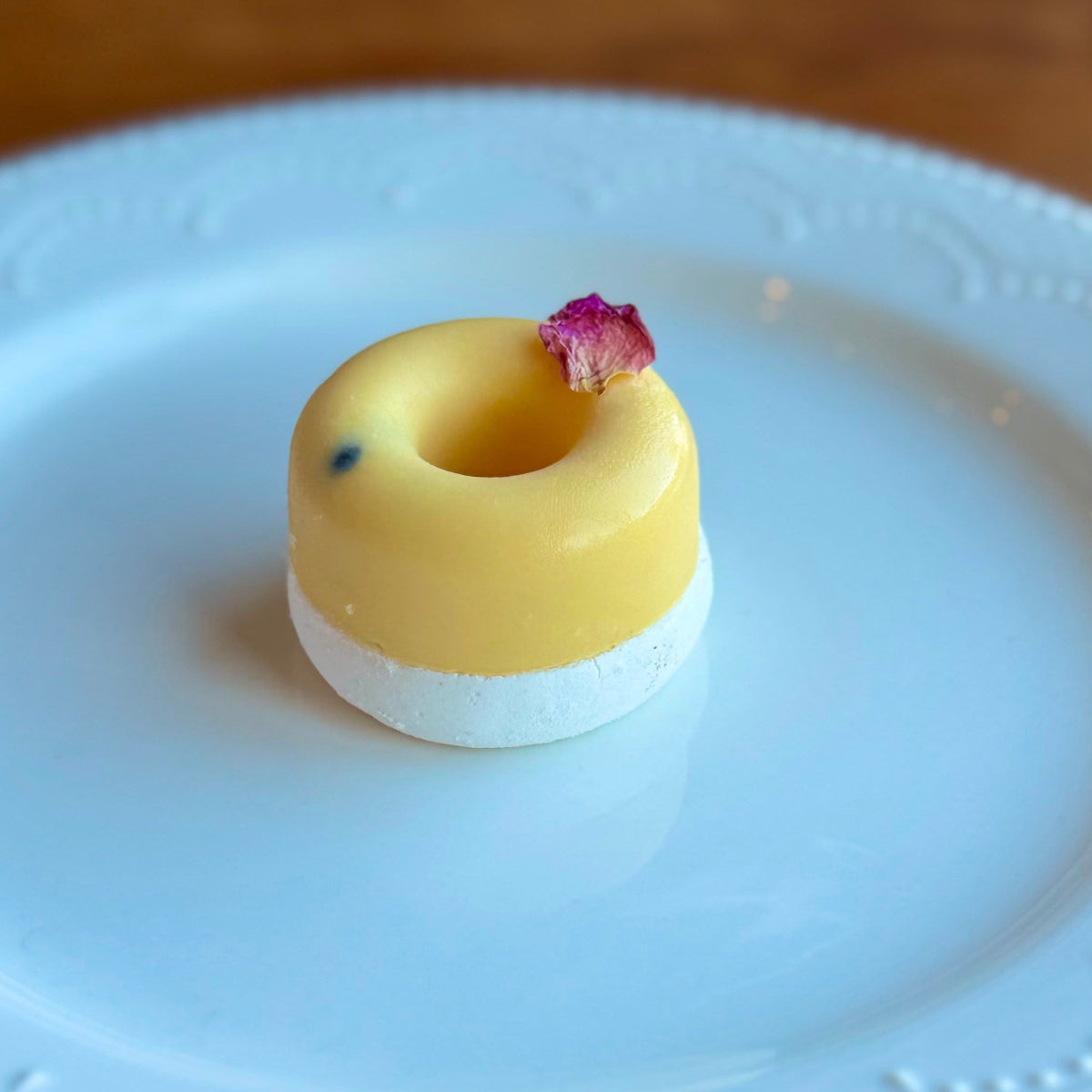
That pairing is not an invention. In Brazil, cheese with guava paste is called Romeu e Julieta, the salty cheese standing in for Romeo and the sweet guava for Juliet. You can follow the thread across the cabinet: the Romeo and Juliet mini cheesecake sets white chocolate cheesecake and guava jam on a no added gluten shortcrust, and the guava biscuits are butter biscuits filled with the same jam.
The rest of the savoury side
Cheese scones are the opening, not the whole savoury menu. The three quiches are all made with no added gluten: quiche Lorraine, mushroom and caramelised onion. The stuffed sfiha is a filled pastry that came to Brazil with Lebanese migration and stayed, which is the sort of detail that starts a conversation at a table. The croque monsieur is made to order. The full list, including potato bread, sausage scrolls and ham and cheese bread, sits in savoury items.
Why this works with someone else at the table
Cheese scones are shared food by design. They come warm, they stay warm for a short window, and a plate between two people disappears inside that window in a way a plate in front of one person does not. Order them for the table, add a coffee, made with the C4 Coffee Co Terra Nova fair trade organic blend, from Christchurch, or a Zealong teapot for one from the only tea plantation in New Zealand.
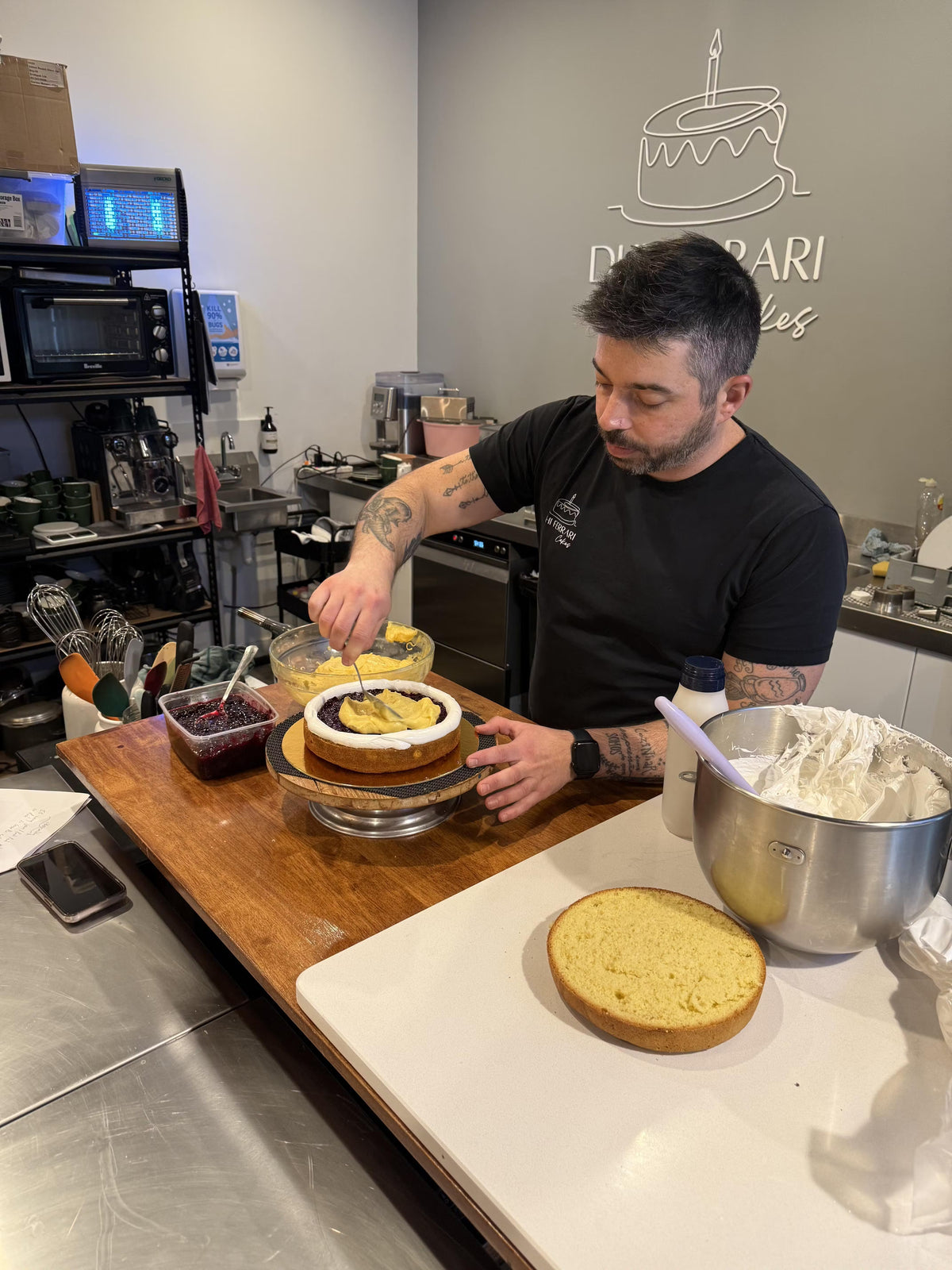
The room helps. We are inside The Welder, an 1880s building on Welles Street with an open-plan kitchen you can watch while you eat, tables that move so a group of four to eight can sit together, two low tables and high chairs for children, and a water bowl for dogs. It is about seven minutes on foot from the Bus Interchange, with parking across the road and behind the building, and bike racks at the side entrance. More about the space is on our patisserie and cafe page.
Ordering, collection and hours
Walk in and the savouries are warmed to order, so allow about ten minutes. To order a quantity ahead, allow two days and choose your pickup date and time at checkout, where the picker only offers dates the kitchen can meet. Savouries can also be supplied frozen for heating on site, which suits events. Everything is collected from our patisserie inside The Welder, 20 to 26 Welles Street, and we do not deliver. Hours are 10am to 6pm Tuesday to Friday and 10am to 3pm Saturday.