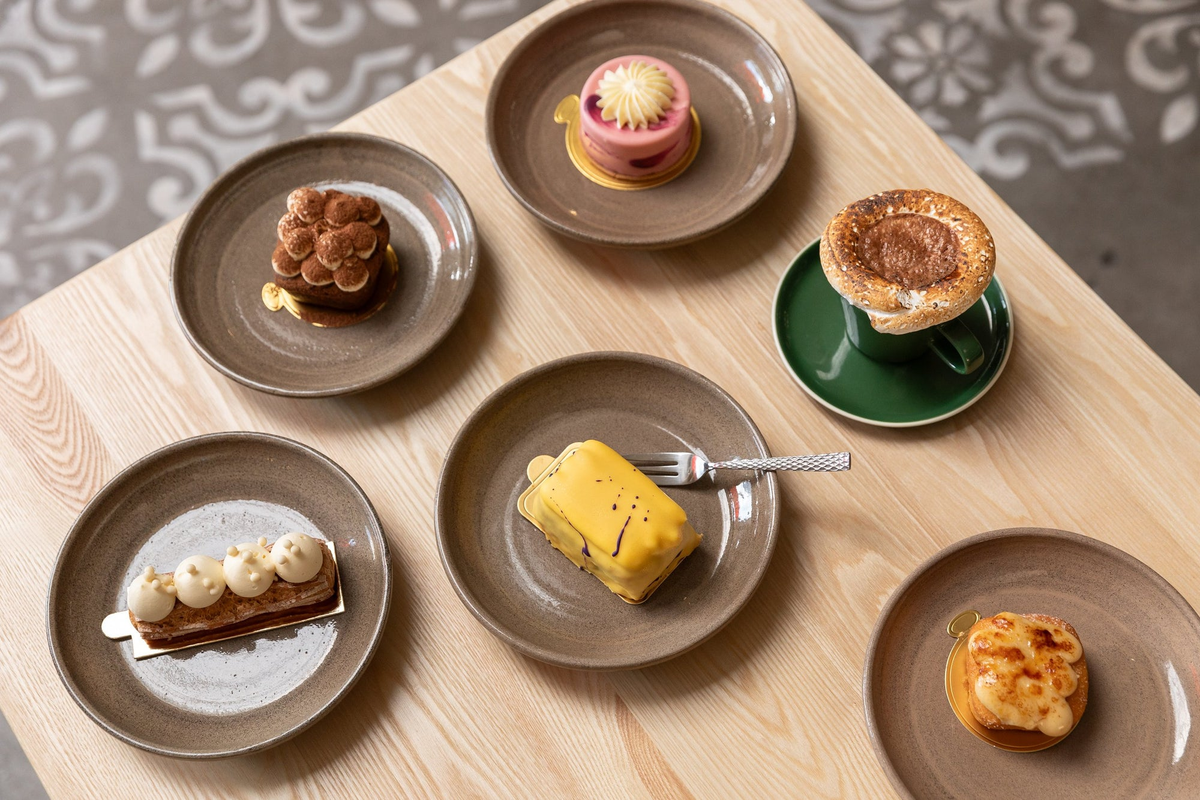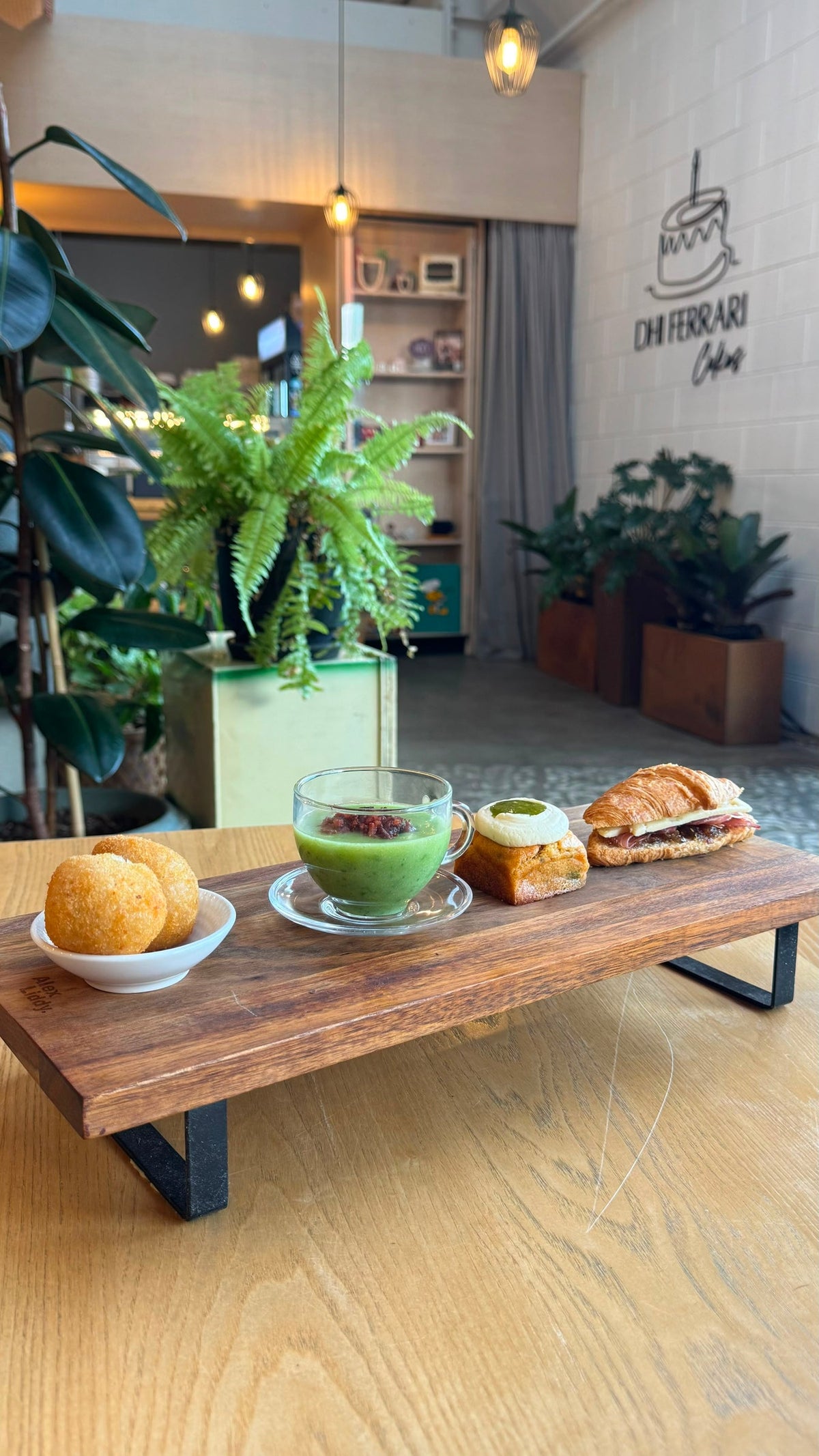
A large proportion of café slices in any city arrive frozen from a wholesaler. You would not know by looking, and often you would not know by tasting either. The freezing is not the problem. The problem is what a business will put on a menu once it knows everything has to survive a truck.
Christchurch has spent fifteen years rebuilding, so nothing here was inherited. Every dessert place in this city sits where it sits because somebody chose it. Read the room as carefully as the menu. Five questions do most of the work.
One: was it made on the premises?
The first question, and the one that explains most of the gap in quality between two cabinets that look identical. Ask it out loud sometimes. The answer comes back cheerfully either way.
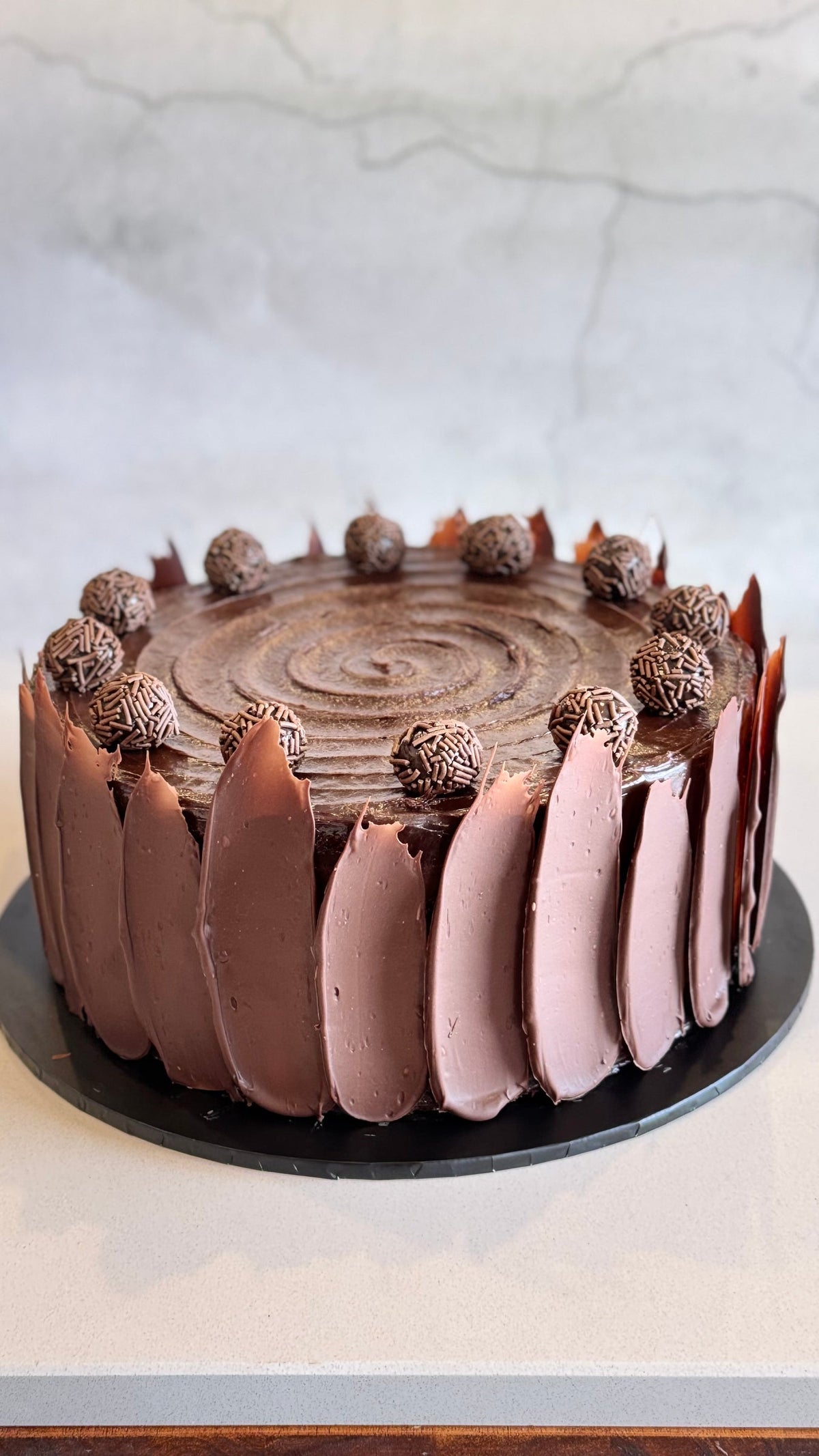
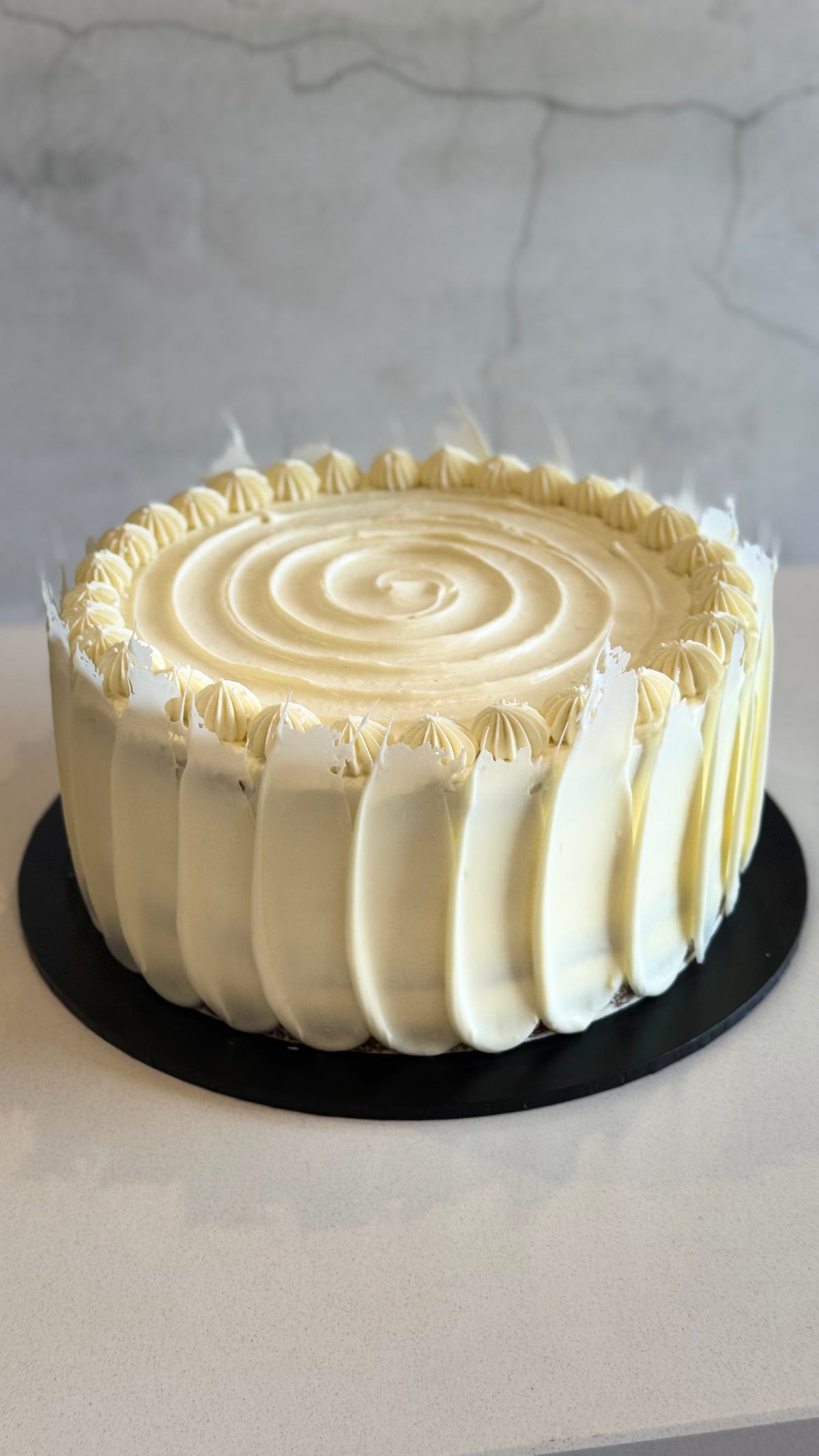
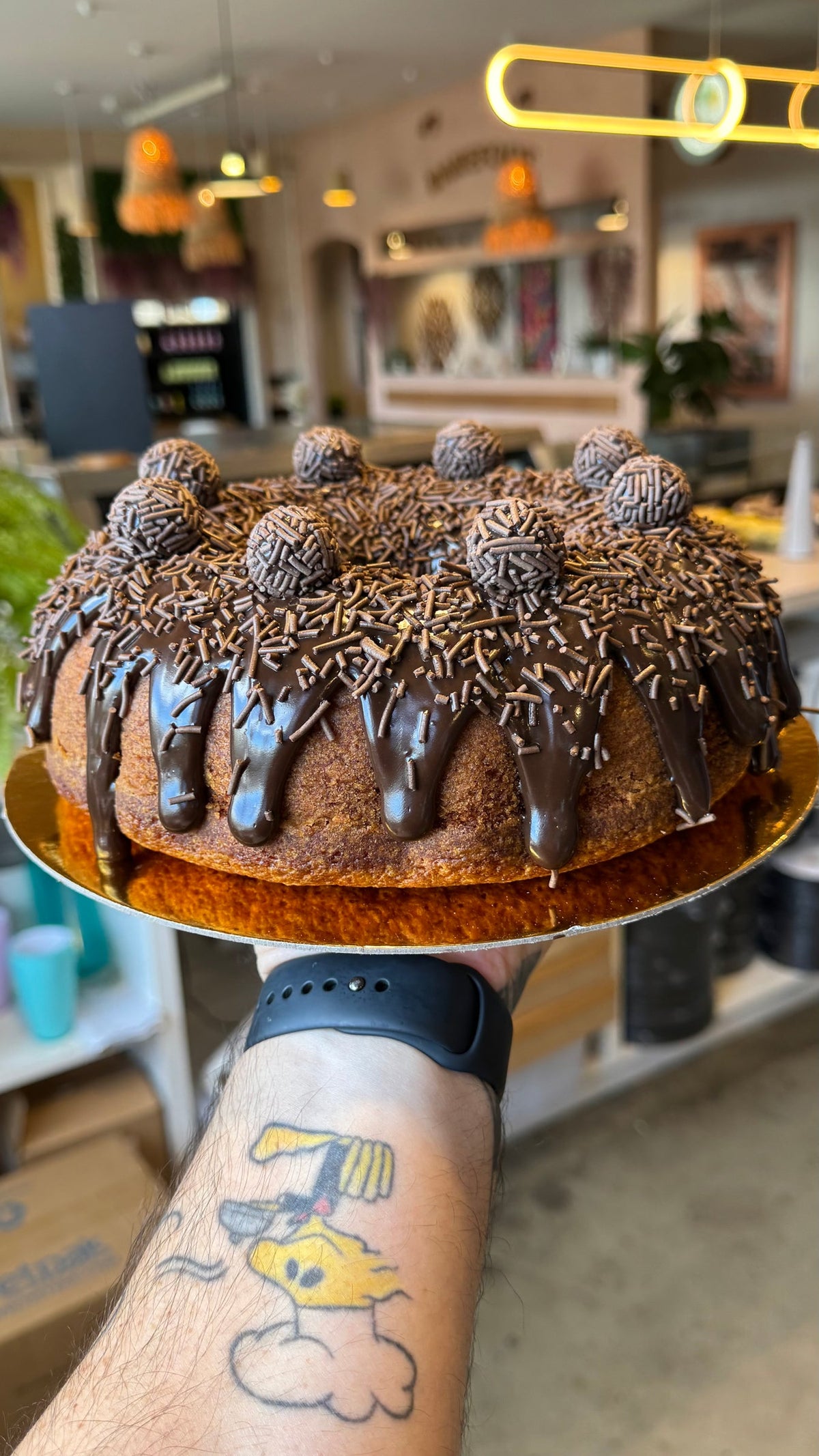
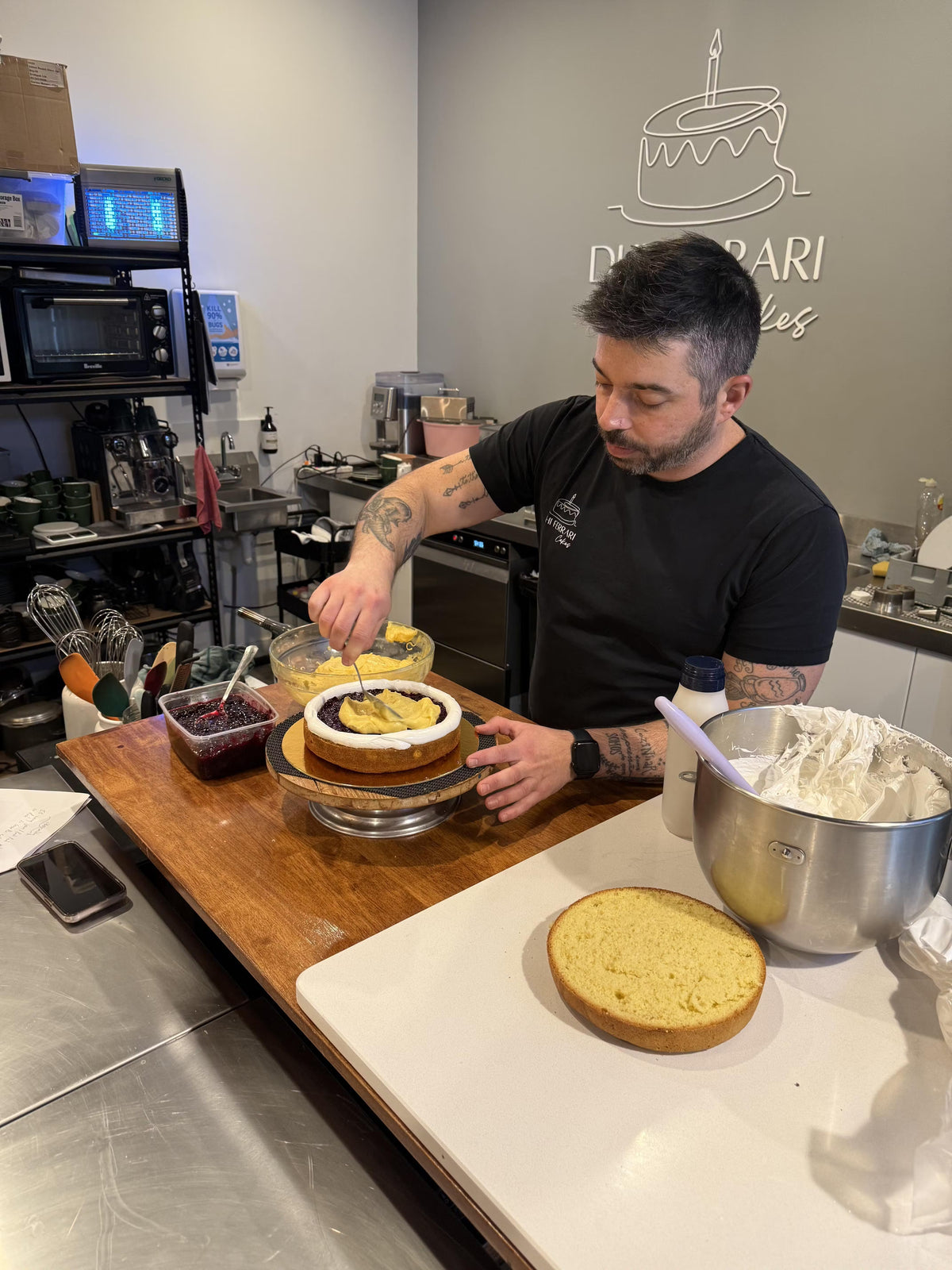
Everything in ours is made in the central city kitchen behind the counter: cake slices, mini desserts and savouries alike. The kitchen is open-plan and plant-filled, so you can stand and watch chocolate go from dull to glossy under a palette knife on marble while you decide. Not decoration. A kitchen you can see is a kitchen making a claim.
Two: does anything have to be eaten there?
The sharpest test on the list. If every item on a menu could be boxed and carried home, the kitchen is not doing anything time-sensitive, and time-sensitive is where the good desserts live.
A cake shop built for takeaway sells things that survive a car journey. A cake shop people actually sit in can sell things that do not. Our made-to-order dessert menu exists only because there are tables in front of it. A lava cake has a ninety-second window before the centre stops running. The S'more Cookie is engineered entirely around the moment hot chocolate sauce hits marshmallow and ice cream at the same time.
Two people, one plate, two spoons racing the melt. The marshmallow goes slack, the ice cream runs into the sauce, and the cookie underneath is still warm when you get to it. Neither dessert would be on the menu if we were a counter on a busy street, and the fact that they are is a signal about everything else in the cabinet.
Three: does the menu move?
A menu that never changes is a menu built around what stores well. Ours rotates with the season: warm plates through winter, lighter and colder things through summer, with specific runs for Festa Junina in June, then Easter and Christmas.
Movement costs a kitchen something, and that is exactly why it tells you something. We also run Patisserie After Dark, a set of scheduled dessert evenings where new plated desserts get tested before they ever reach the daytime menu. Fondue, poached pear, things that exist for one night. Those sell out, and they are the clearest evidence a kitchen is still curious.
Four: would you sit there for an hour?
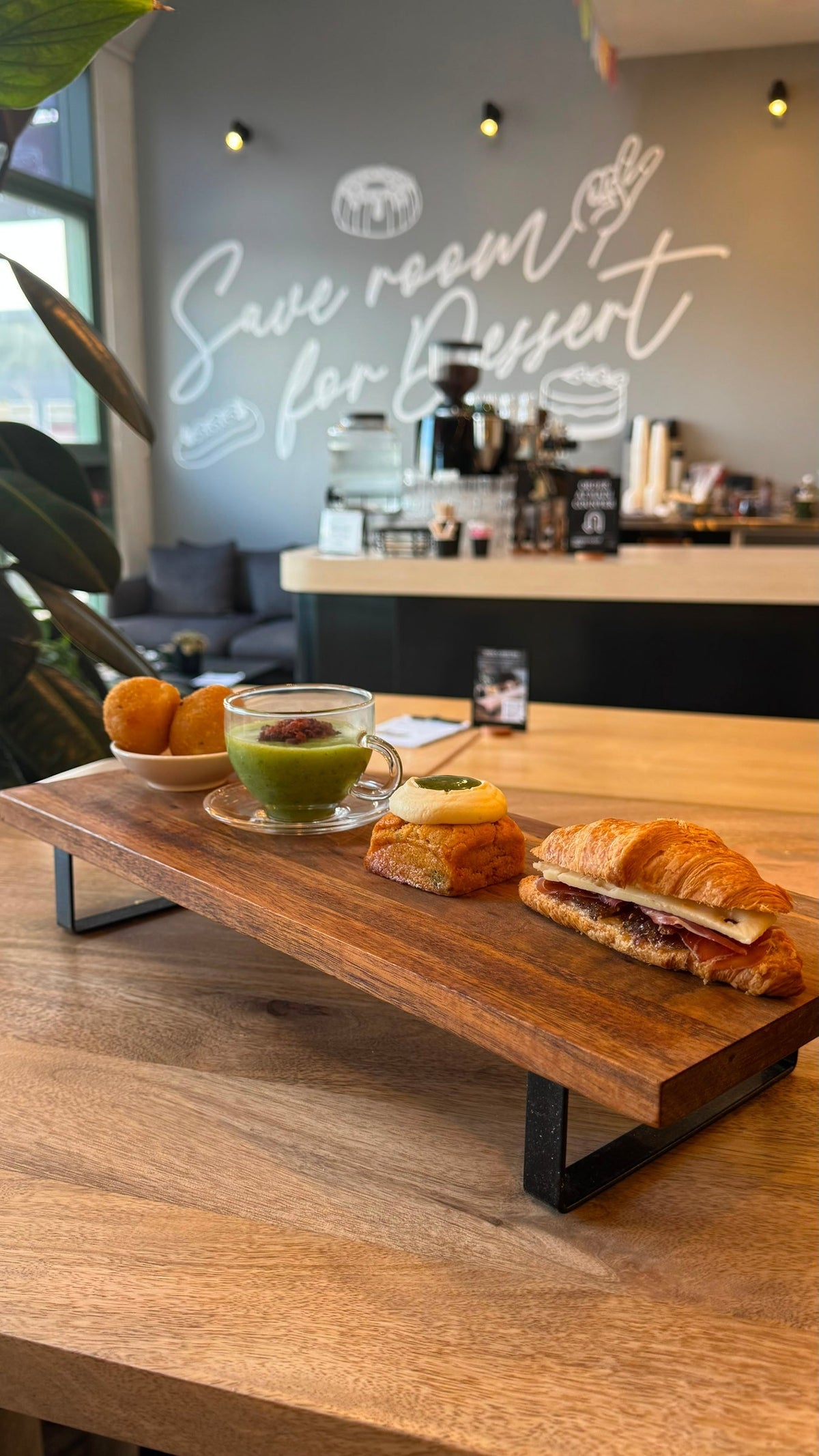
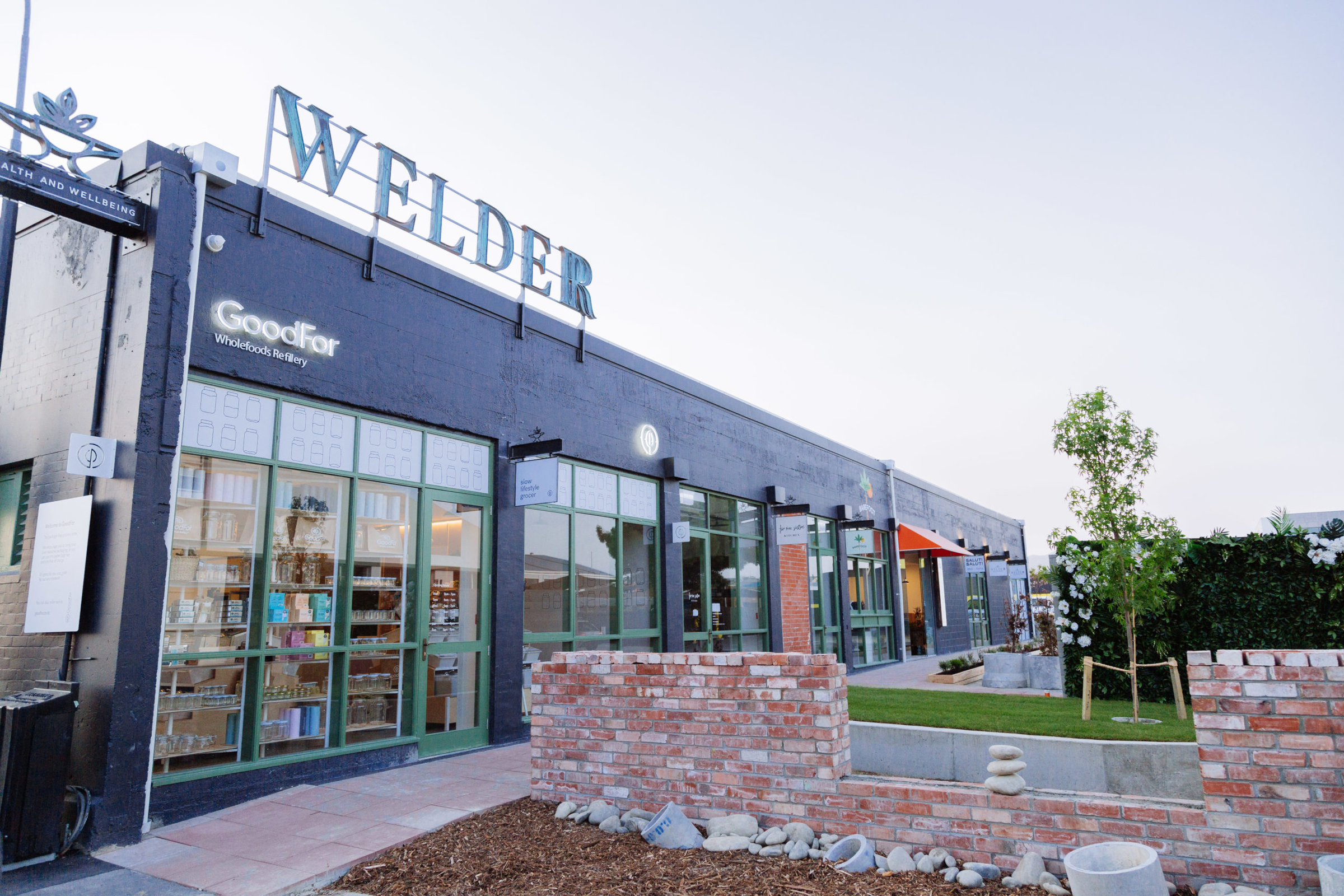
Dessert is a social occasion far more than a transaction, so the room decides how the food lands. Ours is inside The Welder, an 1880s brick building on Welles Street, restored into a courtyard of small independent food and wellness businesses instead of one big tenancy. Quiet in a way the central city mostly is not, and the light through it is genuinely good.
The practical version: tables that move, seating four to eight, so pushing two together for six is not a negotiation. Two low tables for children and high chairs if you need them. Dogs are welcome, hence the water bowl by the door and the metal table legs. Worth appreciating if you have ever tried to clip a lead to a wooden one. All of which is the case for bringing somebody instead of collecting something: an hour at a table you can rearrange is a different afternoon from a paper bag on the walk back to the car.
Being in a courtyard of independents also decides who we buy from. The ceramics are thrown by Curios in Woolston, and a cup with some weight in the hand changes how a coffee drinks. The birthday candles are beeswax from Hōhepa, and they smell faintly of honey as they burn down. The tea is Zealong, grown in Waikato on the only tea plantation in the country. None of that would have happened in a mall.
Five: can everyone at the table eat something?
Worth settling before you choose the venue, not after you sit down. Much of our no added gluten range was built without flour from the start instead of adapted, so it does not taste like a substitution. The flourless chocolate items come out dense and slightly fudgy, where a swapped-flour version tends to go dry and powdery on the tongue.
The limit needs saying plainly: our kitchen is small and without exclusive production areas for all of our different recipes, so traces may occur, and nothing is guaranteed safe for severe coeliac disease.
A sixth question, if you want to be precise
Bakery or patisserie? It changes whether we are what you are looking for. We do not make bread. A patisserie makes pastry, cake, mousse, custard and chocolate work, plus, in our case, artisan savouries for lunch. If that distinction is new to you, the difference between the two trades is a genuinely useful thing to know before you order anywhere in town.
Coming in
Doors open 10am to 9pm Tuesday to Saturday, closed Sunday and Monday, at The Welder, 20–26 Welles Street, a block south of the Bus Interchange, about seven minutes' walk. Parking sits across the road, behind the building and along the side, with bike racks at the side entrance.
Anything in the cabinet you buy on the day, and everything else we make is laid out by occasion on the page for our Christchurch cake shop. If you want a steer on what to pick, we have written a whole guide to what to order and when. Anything made to order goes through the website: layer cakes need two days and larger desserts three, while petit four trays want a week. The date picker at checkout only offers dates the kitchen can meet, and collection is in person, because a dessert built to be eaten now is not a dessert that should be in a van.