Cocoa butter can set into several different crystal structures, and only one of them is any good. Tempering is the process of making sure that is the one you get. Get it right and the chocolate snaps cleanly, holds an even gloss and releases from a mould without a fight. Get it wrong and the same chocolate sets soft and dull, streaked with pale marks, and it smears rather than breaks.
Why chocolate has to be tempered at all
Chocolate is cocoa solids, sugar and milk powder suspended in cocoa butter, and cocoa butter is fussy. Melt a bar, let it cool on its own, and the fat crystallises into whatever forms happen to be handy. Most are unstable: they set at the wrong firmness, scatter light instead of reflecting it, and within days the fat migrates to the surface as a chalky bloom. Tempering steers the fat into the single stable form that gives you the snap and the shine. It is temperature control, applied patiently.
What actually happens on the bench
The shape of the method is always the same. You melt the chocolate right down so no old crystals survive. You cool it while keeping it moving, which is where the stable crystals form and the unstable ones are given no chance to settle. Then you bring it back up a little, into a narrow working range, and hold it there while you work.
The two classic routes are tabling and seeding. Tabling means pouring most of the melt onto a cool stone slab and working it with a scraper until it thickens, then returning it to the bowl. Seeding means stirring finely chopped, already-tempered chocolate into the melt so the correct crystals arrive ready-made. Both take practice, because the working window is only a couple of degrees wide and the room you are standing in is part of the equation. The chocolate matters too. We use Barry Callebaut, chosen for taste rather than cost, and never as part of a pre-mix.
Where you can see it in the cabinet
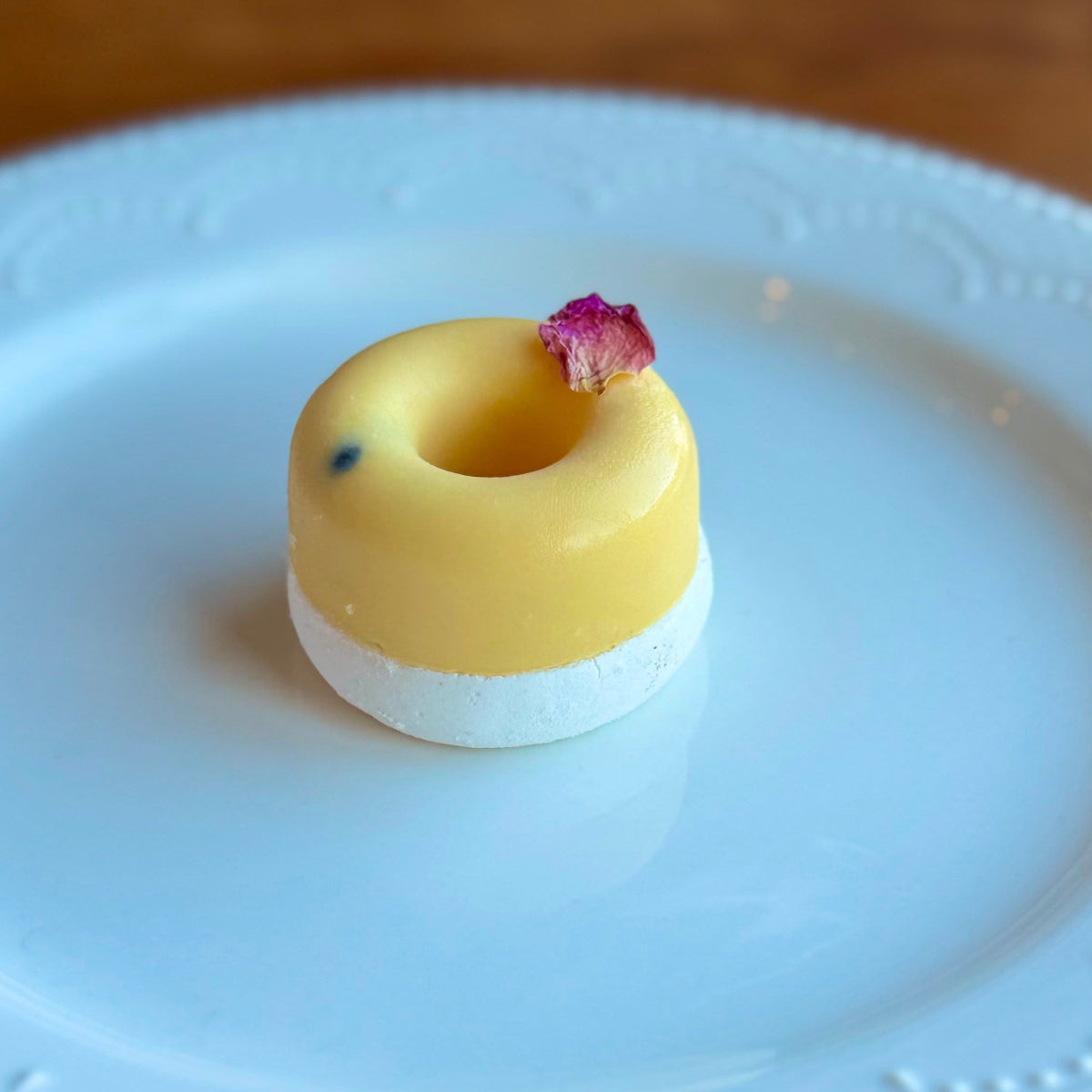
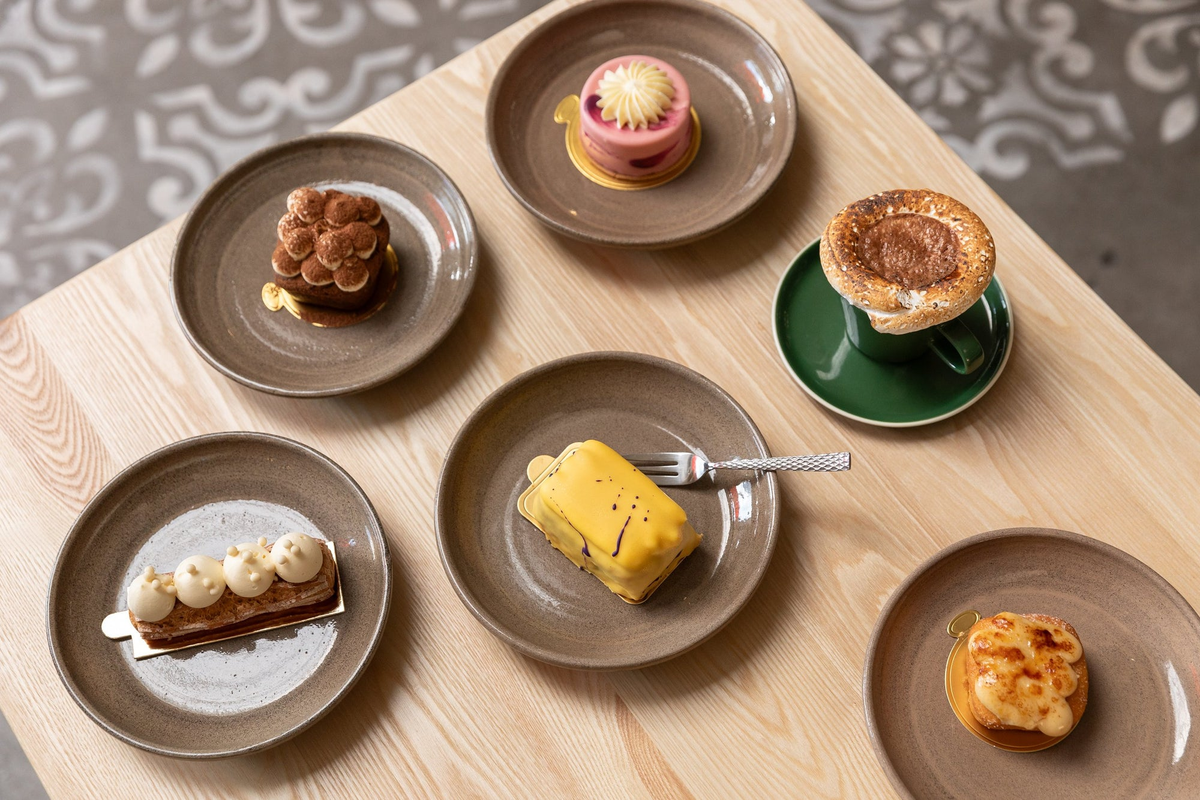
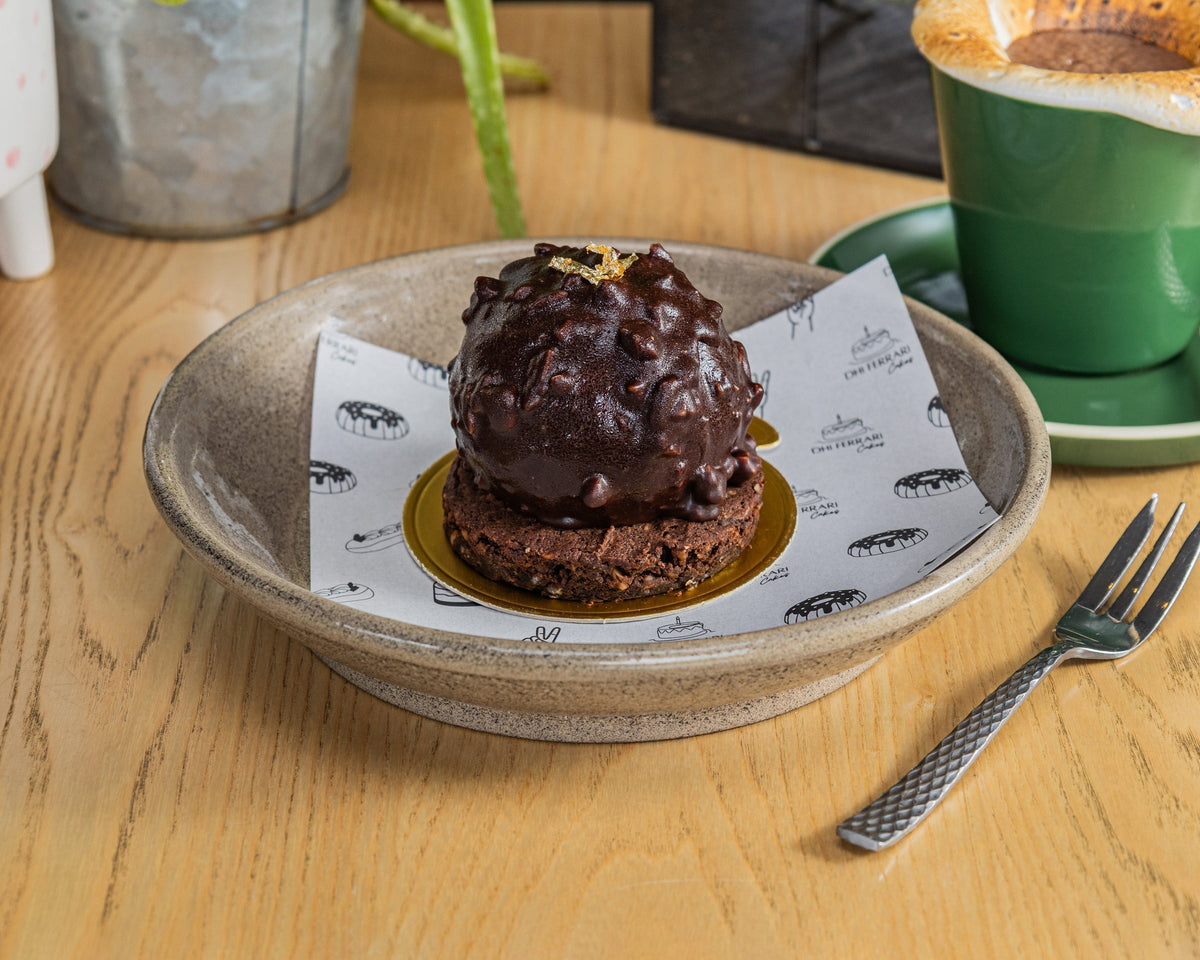
Tempered chocolate is easiest to judge with your own teeth. The filled bon-bons are the clearest example: a moulded shell has nowhere to hide, and has to be thin, glossy and firm enough to break under a bite without shattering. The Ferrari Rocher sets a crisp dark chocolate and roasted almond coating against a soft hazelnut mousse, so you get the snap and the give in one mouthful. On the Snow White Chocolate Cake the white chocolate petals are made by hand, and that gentle snap under the knife is tempering doing its job on a decoration rather than a shell.
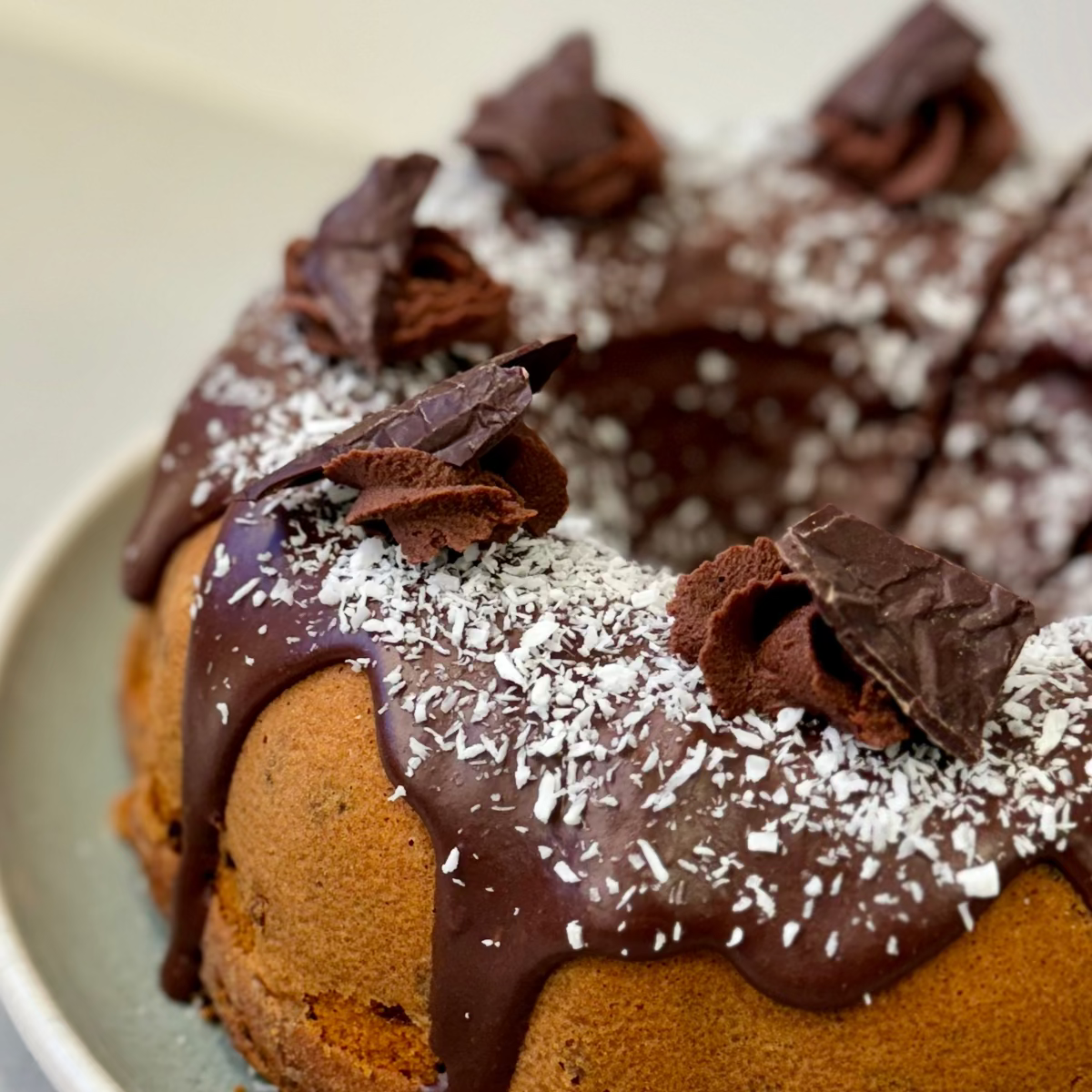
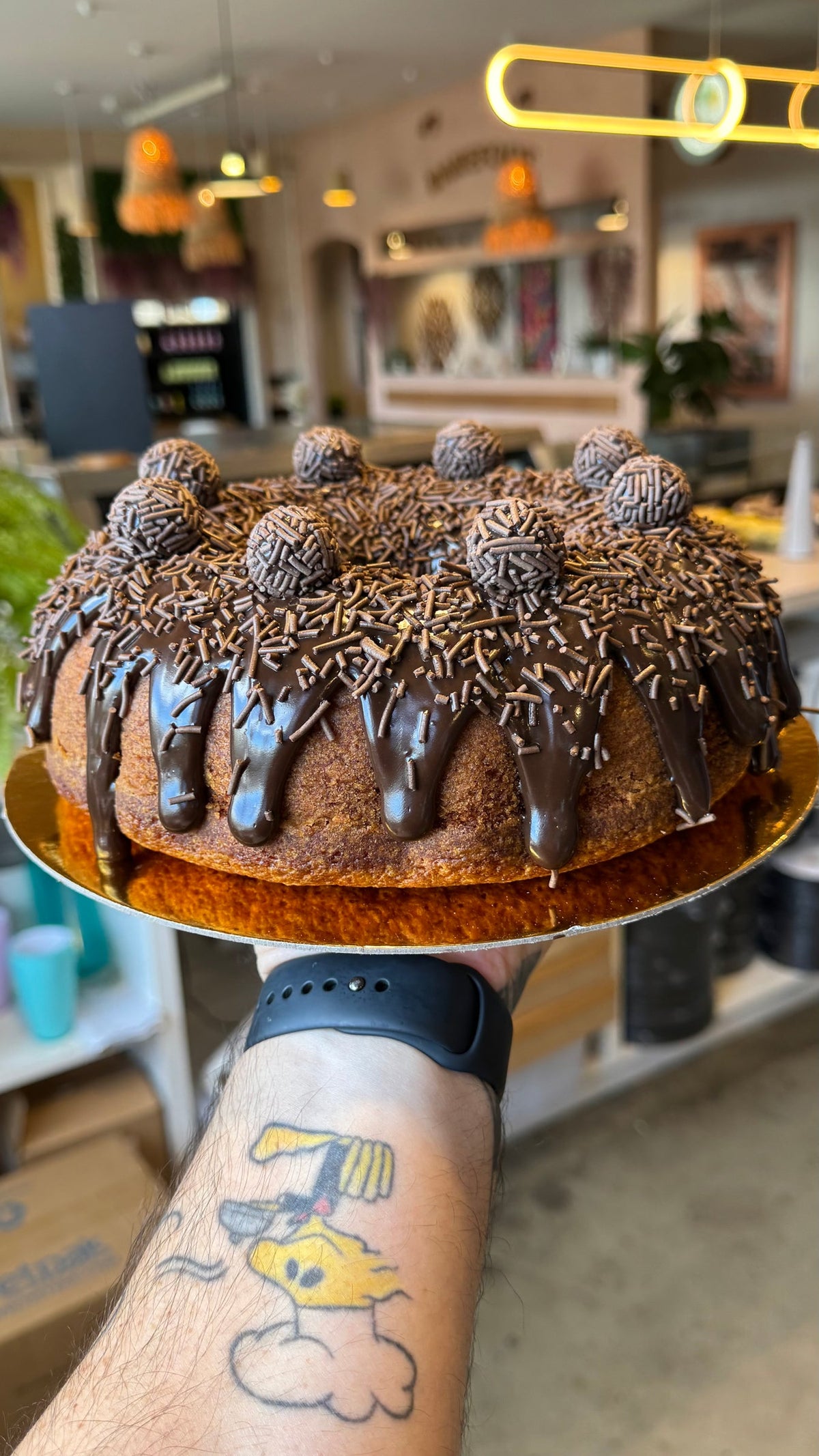
Ganache is a different job. Taste the contrast on the Prestige Coconut Cake and the Thunder Chocolate Cake, both finished in a ganache that stays silky rather than crisp. For chocolate with nothing built around it, the hot chocolate and the dark chocolate thickshake are made with dark Belgian chocolate and need no notice at all.
Learning it properly, and bringing someone with you
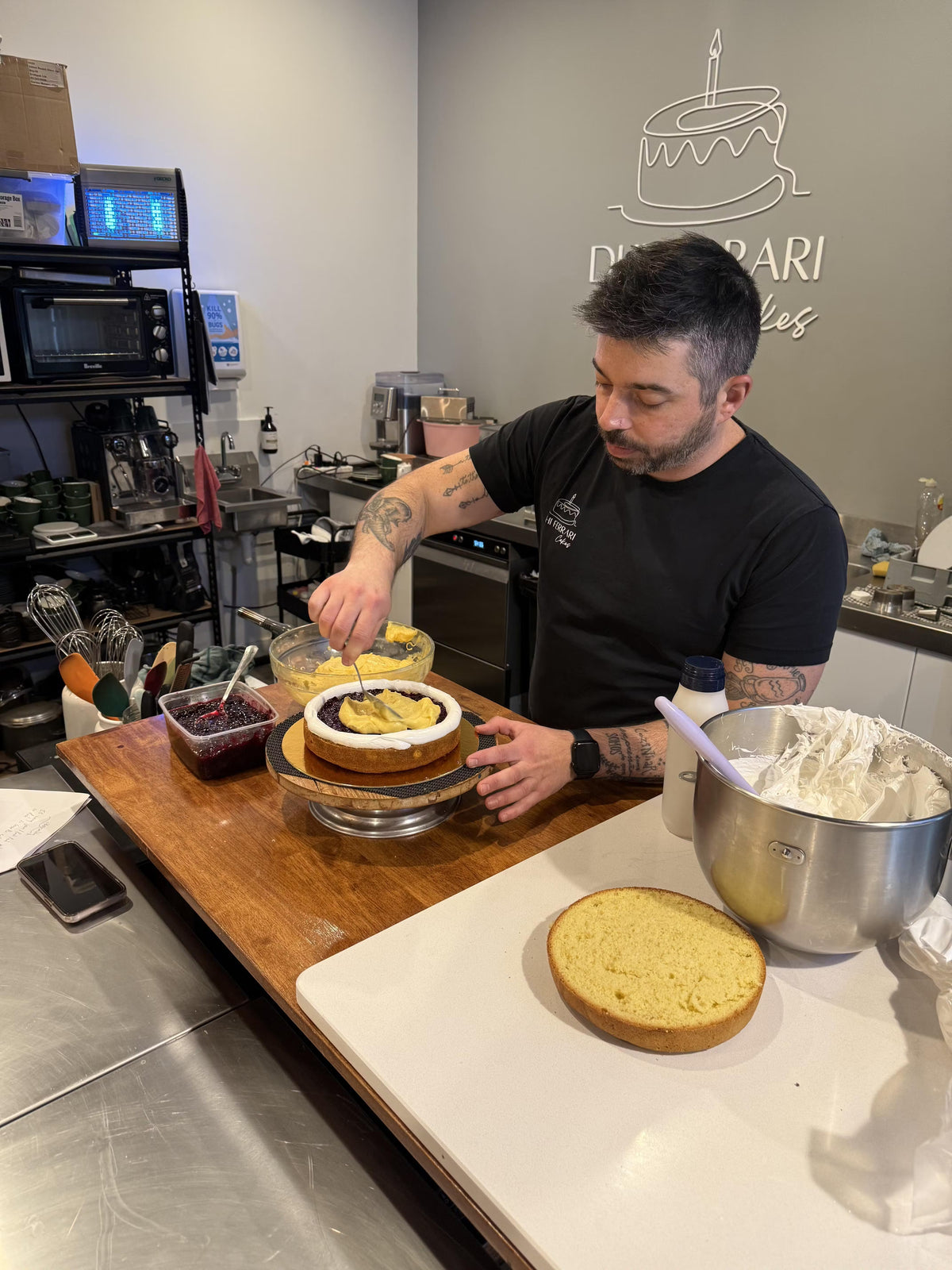
The Chocolate class is $180 and covers tempering directly. It is taught by Dhi, who has more than eighteen years in patisserie, trained at French and Italian culinary schools, taught at La Salle University and worked as head chocolatier for She Universe Chocolates. Public classes are capped at four.
Book two of those four places. Tempering is learned faster with a second pair of hands: one person keeps the bowl moving while the other reads the chocolate, and afterwards you have someone to compare batches with who watched the same demonstration. Team sessions run in one, two or three-hour formats. Dates sit in upcoming classes, and the class information page explains each format, while our write-up of a decorating class gives a sense of what a session is like. A brownie made with no added gluten can be substituted where a recipe calls for one, though our kitchen is small and without exclusive production areas for all of our different recipes, so traces may occur and nothing is guaranteed safe for severe coeliac disease. See also our no added gluten cakes and desserts.
Booking, collecting and hours
Class places are booked online against set dates. Chocolate from the cabinet and anything on the drinks list needs no notice, most made-to-order items need two days, and petit four trays need seven. You choose your pickup date and time at checkout. Everything is collected from our patisserie inside The Welder, 20 to 26 Welles Street in the central city, and we do not deliver. Our hours are 10am to 6pm Tuesday to Friday and 10am to 3pm Saturday.